20 May 2026
Andalusian culture for new residents: flamenco, food and a different pace of life

Karolina Pszczółkowska
Co-Founder & Real Estate Expert
The Costa del Sol sits in the heart of Andalusia — the region many consider the 'real Spain'. Understanding local culture is the fastest way to feel at home rather than like a tourist on an 18-month stay. Below is what we ourselves — and most of the Polish families we work with — came to think of as the key to the door. It is not a must-see list; it is a description of the rhythm worth learning before you try to live in it.
Flamenco — the soul of the region
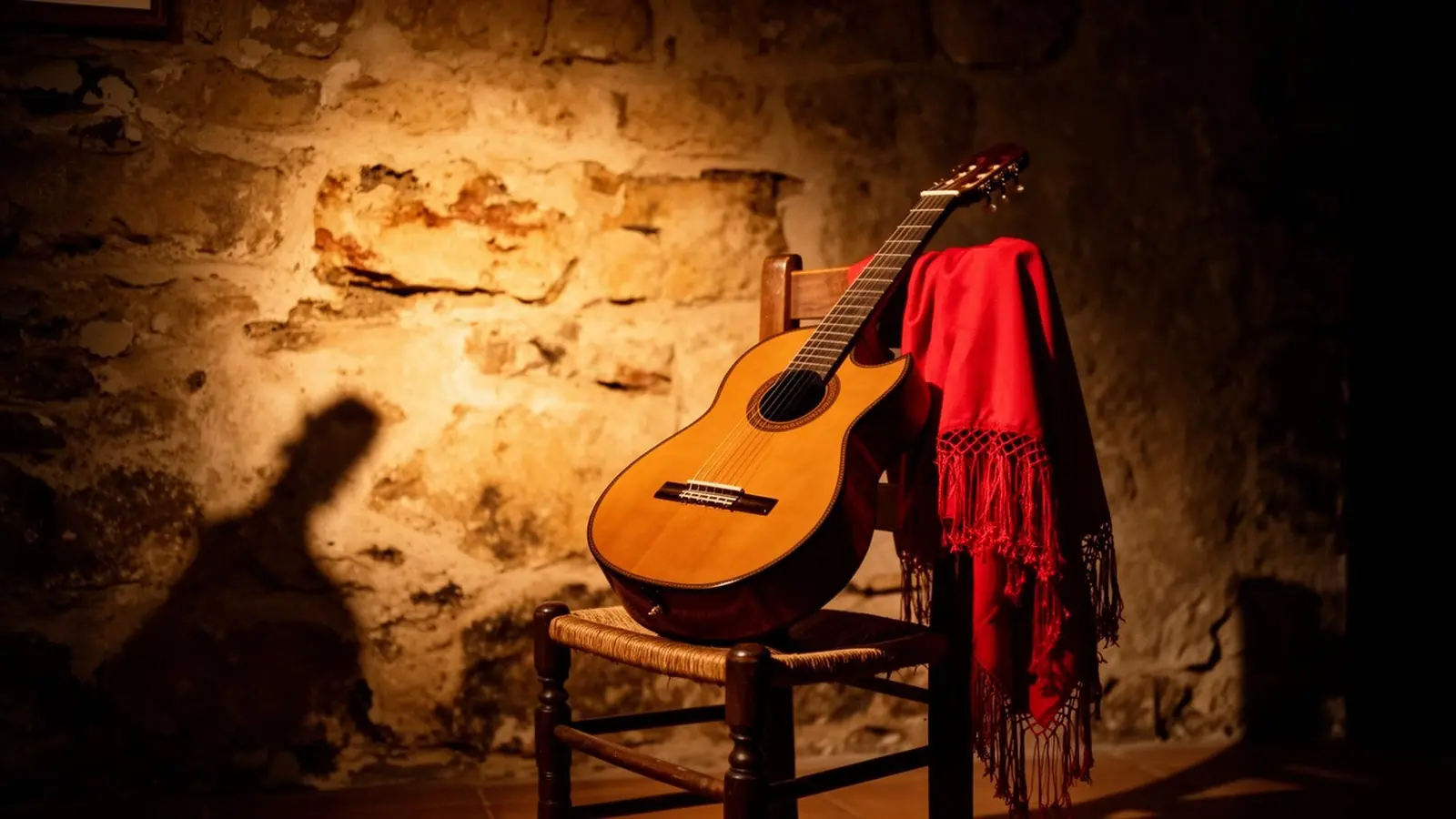
Andalusia is the cradle of flamenco. It is not just dance but a union of song (cante), guitar (toque) and movement (baile) — often raw and improvised, far from the stereotypical show with a red dress and castanets. Hear it live at a tablao or a peña flamenca, of which there are many in Málaga, Jerez, Seville and the smaller towns in between.
Start with an intimate tablao in Málaga (e.g. Kelipé Centro de Arte Flamenco) and progress to more authentic peñas in Jerez. Children often respond to flamenco surprisingly strongly — several local schools take pupils from age 5, including Centro Cultural Flamenco in Marbella.
Food — a cuisine that brings people together
- Espeto de sardinas — sardines skewered and roasted over olive-wood fire, the classic chiringuito dish. Season: May to September (locals say 'months without an R').
- Pescaíto frito — fried fish and seafood (anchovies, squid, prawns) in light batter, with lemon.
- Gazpacho and salmorejo — cold soups for hot days. Cordoban salmorejo is thicker and filling; gazpacho lighter, perfect after siesta.
- Jamón ibérico and tapas — the foundation of social life. Ordering tapas and sharing is not a choice but a style.
- Ajoblanco, porra antequerana, rabo de toro, fritura malagueña — regional classics worth ticking off in your first year.
The meal clock runs differently here: a light breakfast (tostada con tomate and coffee), a second breakfast around 11:00, lunch — the main meal of the day — at 14:00–15:30, and dinner often after 21:00. Marbella restaurants 'open' at 13:30 and again from 20:30, and kitchens close around midnight in season.
Fiesta and tradition
The Andalusian calendar is filled with celebrations: ferias, Semana Santa (Holy Week, with its famous Málaga processions), Cruces de Mayo, romerías (folk pilgrimages), Día de los Reyes (Three Kings on 6 January — when children get their gifts, not under a Christmas tree). They set the rhythm of the year and are the best way to get to know your neighbours.
Our first Semana Santa in Málaga is unforgettable — over a dozen pasos (carved platforms) carried on shoulders by 200+ portadores, hours of silence, a single saeta sung from a balcony. It is a religious holiday, but the entire region takes part regardless of faith.
A different pace
The famous 'mañana' is not laziness — it is a different relationship with time, with relationships placed first. Sobremesa, the long conversation that lingers after a meal, is an institution. A business meeting scheduled for 30 minutes can easily become 90 minutes of talk about kids, restaurants and football — and that is not wasted time, it's how trust is built.
Siesta — fact vs. myth
The classical siesta ('I'm going to sleep for two hours') is rare today, especially in big cities like Málaga. What remains is a rhythm: between 14:00 and 17:00 things slow down, smaller shops close for lunch and a break from the harshest sun. In summer it has real reason — 36–38°C does not invite productivity.
Language
Day-to-day you'll hear Castilian Spanish with a distinctive Andalusian accent — fast, with 'swallowed' endings (no longer 'buenos días', but 'buenoh día') and 'c'/'z' pronounced like 's'. Even basic Spanish opens doors — locals appreciate every attempt and quickly switch to a more understandable register. Intensive courses for expats start every month at language schools in Marbella (Instituto Cervantes, Enforex).
Sociability and neighbours
- Andalusians are direct, louder than the average northern European and incredibly friendly — sometimes to the point of seeming forward.
- 'Hola, guapa' from a neighbour in the lift is not a personal compliment, it is a standard greeting.
- When someone invites you 'sometime for coffee', the offer is usually sincere, but a specific time only appears when you ask for one.
Living in Andalusia is a style, not just an address. Explore our locations and let's talk about where this rhythm fits you best.