8 May 2026
Summer on the Costa del Sol: festivals and feasts worth living (June–August)

Karolina Pszczółkowska
Co-Founder & Real Estate Expert
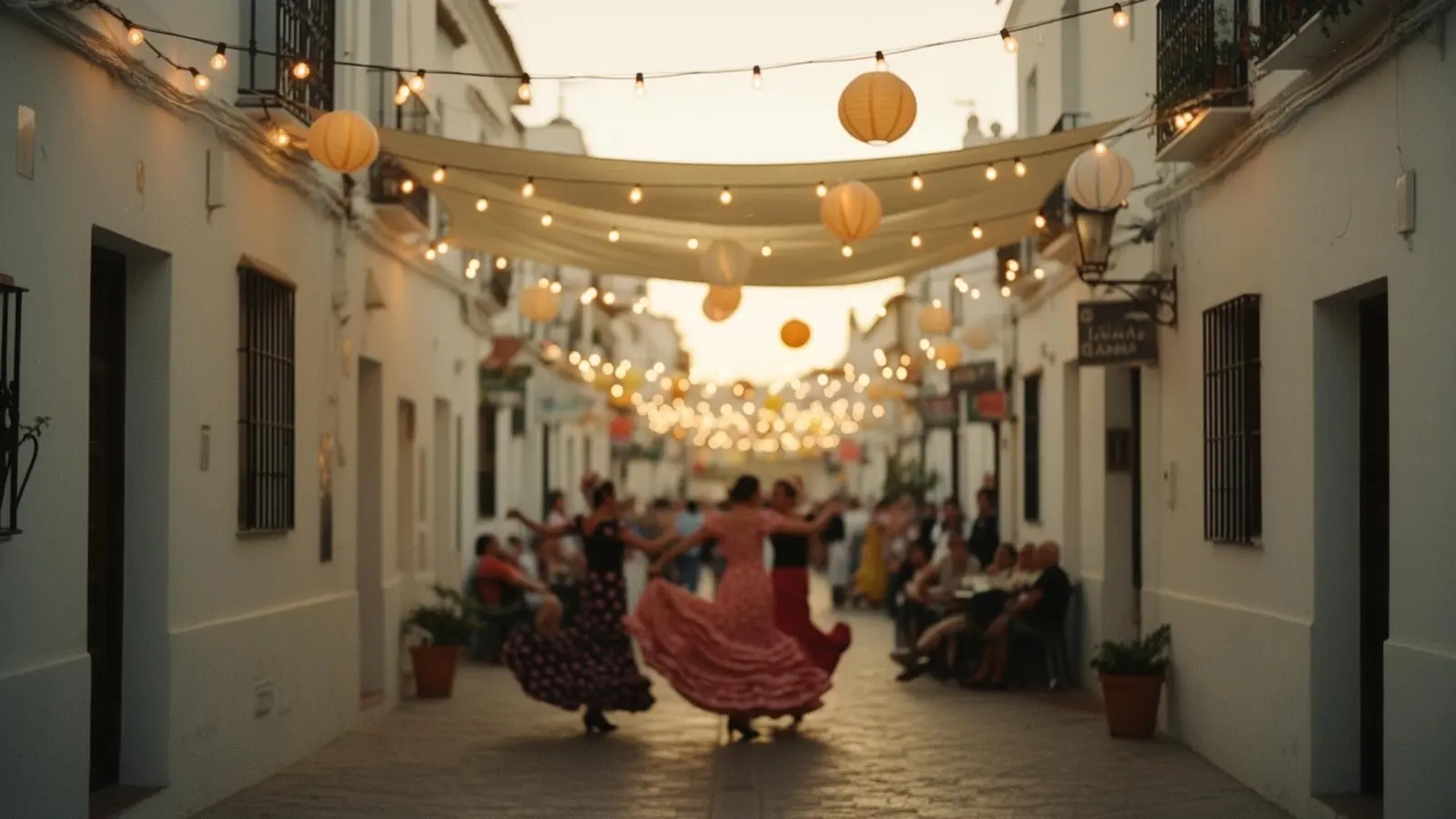
Summer on the Costa del Sol is not just beaches and pools. It is the season when the coast lives by the rhythm of fiestas — every day a different town is celebrating something, and for anyone discovering the region (or moving in), the festival calendar is the fastest way to understand how local life actually feels. Below is the same calendar we walk our clients through when they visit for the first time in June, July or August — with 2026 dates, the context behind each tradition, and the small tricks we have picked up from living here full-time.
Feria de San Bernabé — Marbella celebrates its patron
Marbella's biggest annual celebration runs 8–14 June 2026, with the patron saint's day on 11 June. For me it is the week when you can really see what Andalusia is — the town stops working at its normal pace, and practically every family has a casetа where they host friends.
The feria has two faces that work like two different events. Feria de día takes over the Old Town and Avenida del Mar: canopies, sevillanas danced at midday, tapas counters, a glass of rebujito under the orange trees and live flamenco in the sunshine. Feria de noche moves to the recinto ferial off Camino de la Cañada — a vast fairground with rides, concerts, churros at dawn and dancing that usually winds down only when the sun comes up.
It works for families too — the fairground rides run in the early evenings and entry to the feria grounds is free. The sweet spot is to head out late afternoon, eat a calm dinner in the Old Town and only move to the night feria after that.
Night of San Juan — 23/24 June
The shortest night of the year is a coast-wide celebration of fire and water. Bonfires light up the beaches from Sotogrande all the way to Nerja, wooden constructions (júas) are set ablaze, and at midnight tradition calls for stepping into the sea to wash away what is old and welcome luck for the year ahead.
I tell clients plainly: if you only experience one thing all summer, make it San Juan. You cannot really plan it with a ticket in hand — you just arrive at the beach before sunset, stay until midnight and let the coast pull you into its own rhythm.
- Best beaches for atmosphere: Playa de la Fontanilla and Playa de la Bajadilla in Marbella, La Rada in Estepona, Nueva Andalucía beaches.
- Bonfires are usually prepared by town halls and beach clubs — in smaller towns you can light your own, but always check the local rules in a dry year.
- Paseo marítimo restaurants serve special set menus that night — book a few days ahead.
Virgen del Carmen — 16 July
Patron of fishermen and sailors. In coastal towns — Marbella, Estepona, Fuengirola, Benalmádena, Nerja — the figure of Our Lady of Carmel is carried in procession into the sea aboard fishing boats decked out in flowers. From the shore you watch to a soundtrack of brass bands, fireworks and shouts of ¡Guapa!
It is one of the most authentic summer moments on the coast — no tourist show, just a real tradition passed down through generations of fishing families. Arrive at the port about an hour before the procession to find a spot on the harbour wall and watch the crew prepare the boat.
August — Feria de Málaga
If you want to see a feria at full scale, mid-August (usually 15–22) belongs to Málaga. One of the largest celebrations in Andalusia: daytime festivities through the historic centre, where literally every street becomes one giant open-air bar, and a vast nocturnal fairground at Cortijo de Torres, served by shuttle buses around the clock.
August is also peak season — hotels and Airbnbs in Málaga book up by March and prices can triple. The most comfortable approach is to base yourself somewhere between Marbella and Málaga and commute by motorway or the Cercanías train from Fuengirola.
Less famous, but worth planning around
- San Pedro de Alcántara — Feria in mid-October, but the central square hosts sevillanas every weekend in June.
- Estepona — Feria y Fiestas Mayores in the first week of July (Virgen del Carmen is particularly lively here).
- Ojén, Istán, Benahavís — the white villages in the hills run their own fiestas in July and August, far more intimate than Marbella's.
- Marbella Reggae Festival and Starlite — concerts in the former quarry, with a calendar covering all of July and August.
Practical tips for new residents
- Restaurants and parking fill up fast during fiesta week — book ahead and use a taxi or Uber to and from the recinto ferial.
- Check the quieter days (días sin ruido) at the fairground if you have small children.
- Local businesses often shorten hours around feast days and can close for an entire week — plan errands and trades visits earlier.
- Dress code: nobody expects you in a full flamenco outfit during the day, but a light dress or linen shirt will play far better than beach gear.
- If you live close to the fairgrounds, expect music until 5–6 am — plan holidays around it or simply accept it as part of the calendar.
Dreaming of a home you can walk to the feria from? Explore our properties in Marbella and the surrounding area or get in touch — we'll help match a location to your lifestyle.