25 May 2026
Everyday life on the Costa del Sol: habits that surprise new residents

Artur Pszczółkowski
Cofounder & Crypto Real Estate Specialist
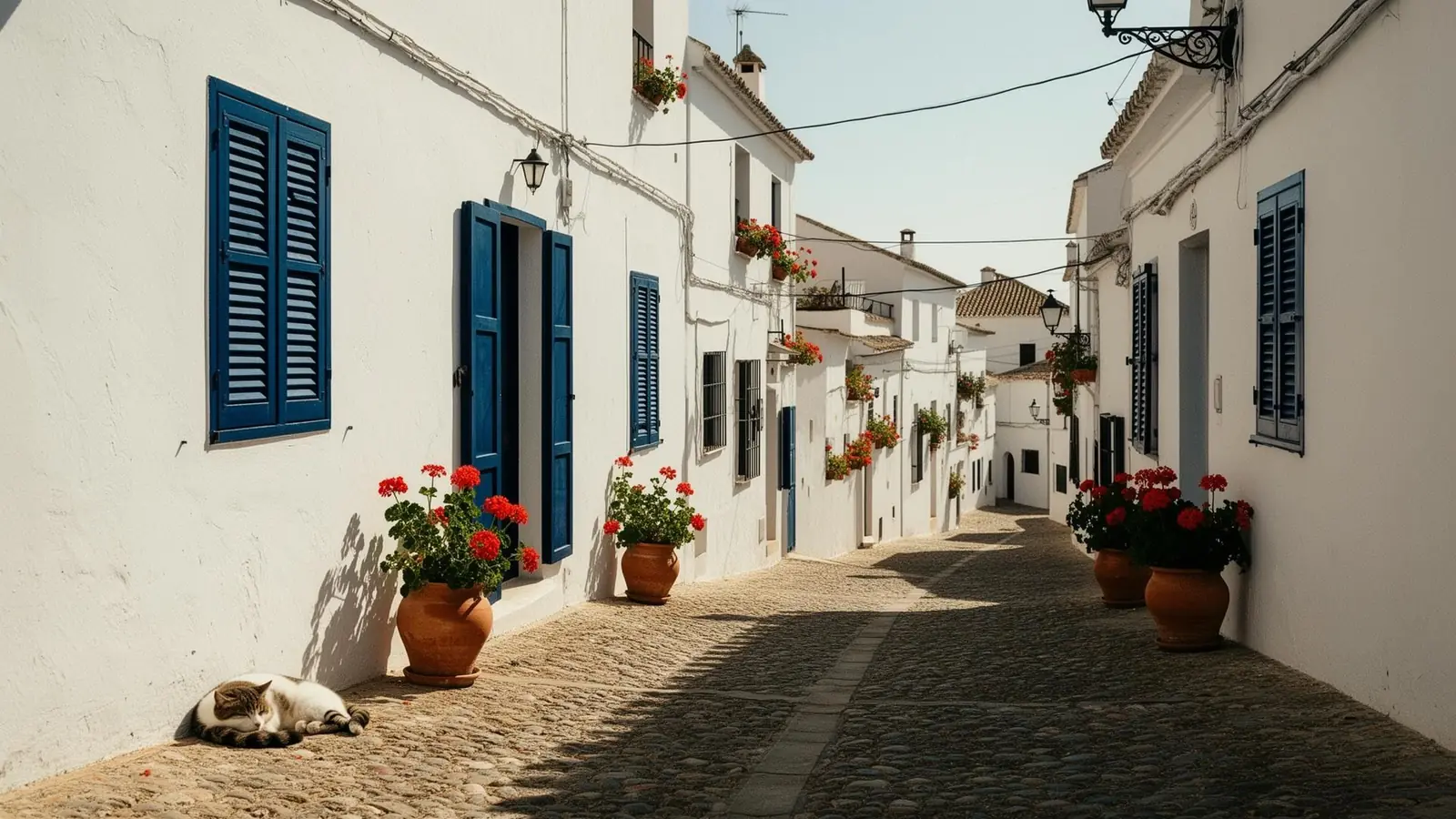
Moving to the Costa del Sol is not just a new home — it is a new rhythm. A few local habits can surprise newcomers, and missing a few key formalities can delay your life here by months. Below is what I had to learn quickly when I arrived — and what I now teach clients so their first year goes smoothly.
The day starts later and ends later
The Spanish daily rhythm is not a matter of temperament but of the clock. Spain sits at almost the same longitude as London, yet keeps Central European Time — the same as Poland. You feel it from day one: in late August the sun rises on the Costa del Sol only around 7:30, nearly two hours later than in Warsaw, and sets after 21:00. Mornings therefore start gently and people sleep longer. And in the evening, when the air finally cools and going out becomes comfortable, it is still light. Dinner at nine stops being an extravagance — that is simply when the best part of the day begins.
The clock runs differently
Meals are later, and in smaller towns some shops and offices close midday for a break. It is not lost time — it is a different daily structure where the evening starts late and stretches long. Lunch around 14:30, dinner around 21:30, and social life often only starting at 23:00, especially on a Friday night.
The first 2–3 months are an adjustment — most people struggle to eat lunch at 15:00 and dinner at 22:00, but by the second quarter it becomes natural. Our kids ask for dinner at 21:00 within six months.
August slows down
At the height of summer, many local businesses and some public offices reduce hours or close for holiday. If you have paperwork to do (banks, notaries, town hall), get ahead of August — or be patient. July is still normal, but the first three weeks of August are effectively a pause — appointments for padrón, NIE and notarial signatures often slide to September.
The same applies to trades. A plumber booked for 5 August will most likely turn up on 1 September. Plan renovations for spring or October.
Greetings and tone
Two kisses on the cheek (dos besos) are standard at first meeting — whether woman or man (men between themselves shake hands or hug). It is not over-familiarity, it is the basic gesture; missing it can read as coldness.
Communication can be direct and louder than what you're used to — it's warmth, not conflict. A neighbour calling '¡Oye!' across the corridor isn't angry; she's just noticed you. The word 'guapa'/'guapo' (beautiful) here is a greeting, not a declaration.
Formalities worth knowing
- NIE (Número de Identidad de Extranjero) — the foreigner ID number, required for almost everything: buying property, opening a bank account, signing an electricity contract, buying a car. Get it at the Oficina de Extranjería in Málaga or the Marbella Police station, cost is symbolic (€10–12).
- Empadronamiento — registering at the local town hall (padrón), useful for public schools, healthcare and any contact with the local administration. Free, but requires an appointment.
- Cita previa — most public offices only see you with a pre-booked online appointment. Don't show up without it. The system can be capricious — slots often open early in the morning, between 7:30 and 9:00.
- Certificado digital — an electronic identity certificate allowing online filings (tax returns, declarations). Worth setting up in your first 3 months.
- TIE (residence card) — for non-EU nationals; EU citizens register as residents and get a smaller green certificate.
Money and banks
A Spanish bank account is fastest to open at Santander, BBVA, Sabadell or the neobank N26. Non-residents need: passport + NIE (or, at some banks, passport + non-residency certificate). EU cards work everywhere, but long-term rentals, utility bills and often Mercadona purchases under €30 commonly only accept Spanish cards or Bizum (phone payment).
Beach, the Spanish way
Chiringuito (the beach bar) is the centre of summer social life — from morning coffee to night-time espeto. Locals avoid the harshest sun between 14:00–17:00, and an evening walk along the paseo marítimo is a daily ritual. In July and August Marbella beaches are packed until 18:00; from 18:00 they start to empty — the best time for a family outing.
Car, parking, fines
- The 'zona azul' in Marbella is paid parking — at the machine or via the TelPark app. Fine for no ticket: €30–60.
- A Spanish licence isn't required for EU citizens, but after 2 years of residency it's worth swapping — some insurers require it for a full policy.
- The AP-7 motorway is tolled on stretches — Marbella–Estepona about €3, Estepona–Cádiz much more in season.
- Speeding fines arrive by post, often with a delay; within 20 days you'll pay 50%.
Pace and integration
Patience with 'mañana', a bit of Spanish, and showing up at local fiestas are the fastest way to move from 'newcomer' to neighbour. The first year is logistically intense, but the area has strong expat communities — Polish, British, Scandinavian, German — that share contacts for translators, doctors and lawyers. Plug into them in your first week.
We help you find a home — and also settle softly into life on the coast. Explore our locations or get in touch. We're happy to share local know-how.